Control and equipment integration
Connect PLCs, sensors, drives, HMIs and field devices around the machine or process behaviour that needs dependable control.
TechnoBeez connects machines, control systems and field devices to the workflows, alerts and records that keep production and material movement consistent.
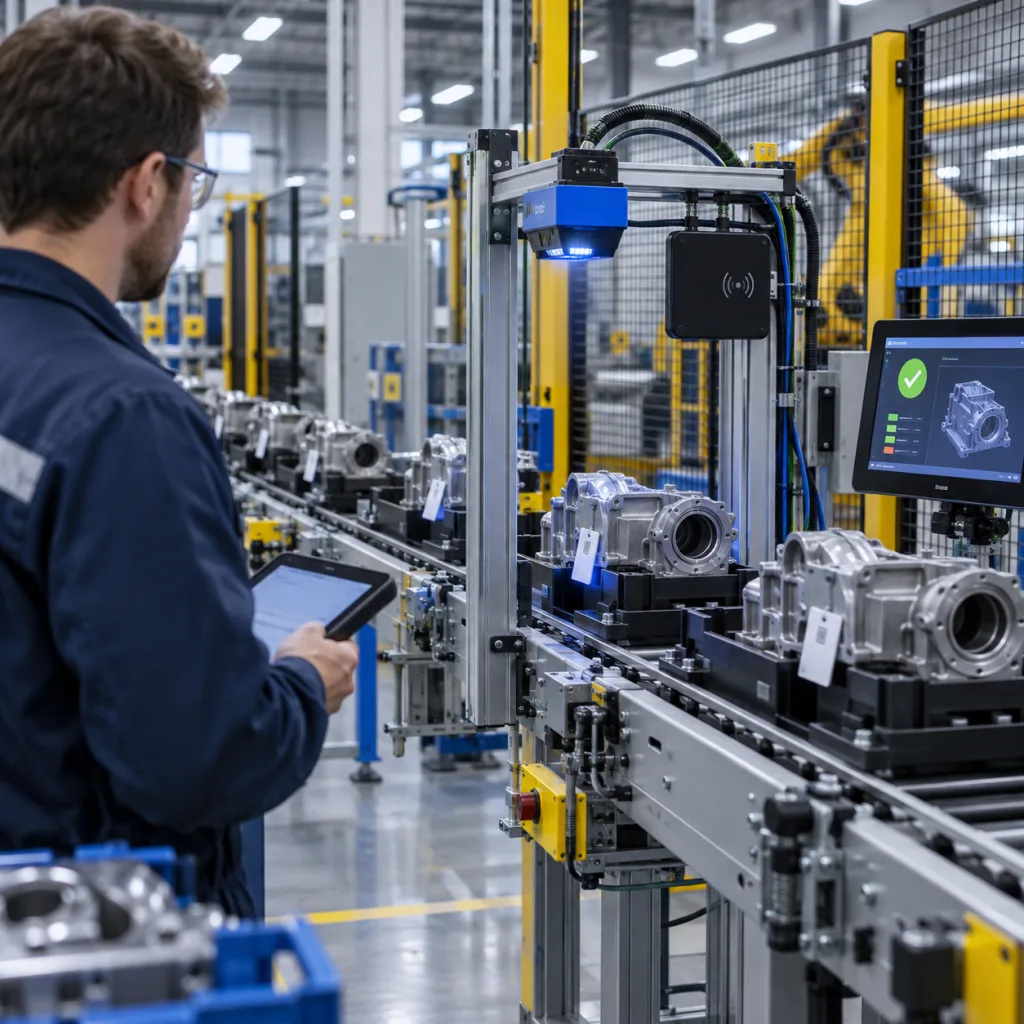
We engineer the practical link between what equipment does, how the process responds and what the wider operation needs to know.
Automation is useful when a process depends on manual handoffs, isolated controls or delayed machine status to keep work moving.
The objective is not a PLC or a screen. It is a controlled, repeatable operation where the right action and data reach people and systems in time.
Automation is not just equipment connectivity. It must turn field conditions into the intended machine response, operator visibility and an accountable record.
Connect PLCs, sensors, drives, HMIs and field devices around the machine or process behaviour that needs dependable control.
Define operating sequences, interlocks and exception responses around the real workflow and site requirements.
Expose the machine state, alarms and process information operators and supervisors need without adding unnecessary complexity.
Deliver relevant equipment and process events to MES, ERP, WMS, dashboards or custom workflows without duplicate manual entry.
A well-designed automation system makes routine work more reliable and exceptions easier to understand, manage and improve.
Good automation makes routine action consistent, but it also makes exceptions visible before they become a production or quality problem.
Apply defined process steps, interlocks and responses so the work is carried out the same way every time it needs to be.
Connect equipment events, operator actions and workflow rules so teams do not have to bridge routine gaps with calls, paper or re-entry.
Bring faults, delays and out-of-condition events to the right team while the operation can still respond.
Create useful records of machine state, process events and intervention points for review, reporting and continuous improvement.
Automation has most value where a physical process needs consistent execution, timely response and a dependable operational record.
Coordinate equipment, process steps and operator prompts so throughput, sequence and work-in-progress are easier to control.
Use machine, sensor and RFID events to verify transfer, routing, release and checkpoint actions without repeated manual checks.
Monitor and respond to equipment, environmental and utility conditions that affect availability, quality or operating cost.
Surface the conditions that need review and connect the response to the correct person, record or downstream workflow.
We establish what must happen, where the process breaks down and the equipment, safety, site and system constraints around it.
We define the controls, data path, operator interaction and exception response, then validate the proposed behaviour against the real operation.
We implement, test and hand over the system with the operating team, then support refinement as the process or site changes.
The scope may include controls and equipment integration, operator interfaces, process logic, data collection, alerts and integration with the operational systems that need the data.
Often, yes. We assess the existing control environment, available interfaces, site requirements and the operational purpose before defining the practical approach.
Automation coordinates the process. RFID can provide identity and movement events, while Industrial IoT can provide condition or process signals. We connect the relevant events to the workflow that needs them.
We review the process, equipment, safety and site constraints, existing controls and networks, required response times and the records or systems that need the resulting data.
Tell us where handoffs, delays or exceptions make the operation harder to manage. We will help define a practical automation path around the process.
Discuss Your Operation